Stretch Your Cleaning Budget by Focusing on Total Cost
Facility managers are under constant pressure to do more with limited resources. Labor, supplies, equipment, waste disposal, and maintenance all compete for the same cleaning budget. When costs rise, simply buying less is rarely the best solution. A better approach is to examine how cleaning work is performed and identify ways to reduce unnecessary labor, product use, and waste.
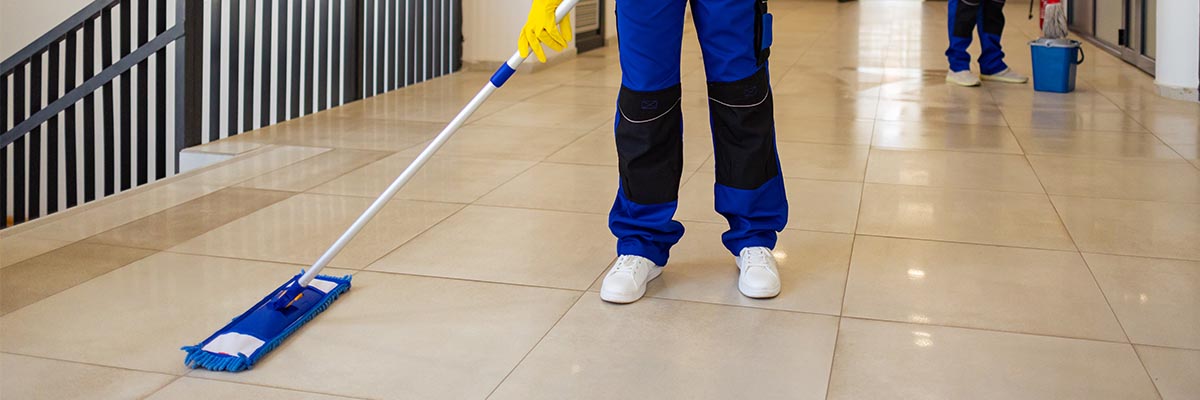
Look beyond purchase price and consider the total cost of cleaning. A higher initial cost may be worthwhile if it improves productivity or reduces waste.
Here are several areas where changes to your cleaning program may help stretch your budget.
Find Savings in Your Trash Program
Trash collection can consume more labor and supplies than many facility managers realize. Every trash container that must be checked, emptied, and re-lined creates a recurring cost. In a large facility, servicing partially full containers can add unnecessary labor and liner use.
Look for opportunities to remove unnecessary containers, consolidate collection points, or adjust service frequencies based on actual use. Trash liners should also match the container size and waste weight. Using the lightest gauge liner that can safely handle the load can reduce liner costs by 10% to 20%.
Facilities should also consider how trash moves through the building. Larger transfer containers can reduce trips to dumpsters or collection areas, saving labor. In facilities with enough waste volume, compactors may also reduce hauling costs.
Improve Vacuuming Productivity
Labor is often the largest expense in a cleaning program, so improving productivity can have a major effect on the budget.
In the right application, backpack vacuums can allow employees to clean much faster than traditional upright vacuums, reducing labor by as much as 50%. For facilities with large carpeted areas, increased productivity can free employees to complete other cleaning tasks without adding labor hours.
Look for Savings in Floor Care
Floor care is another labor-intensive part of facility maintenance. Traditional stripping and refinishing requires significant time, labor, and product. When floor conditions allow, scrubbing and recoating can provide a more efficient alternative.
A scrub-and-recoat process can reduce labor by 50% to 75% and product use by approximately 75% compared with stripping and refinishing. It can restore floor appearance while avoiding much of the time and expense of a complete strip.
The application method matters too. Finish applicators can reduce labor compared with traditional finish mops and can also help reduce wasted product. The objective is to provide the required appearance and protection while using labor and materials efficiently.
Control Paper Usage
Restroom paper products are an ongoing operating expense. Because they are used every day, even modest reductions in consumption can produce meaningful annual savings.
Controlled-delivery paper systems can manage how much towel or tissue is dispensed at one time, lowering purchasing costs and reducing waste. Facilities may also find savings by reviewing the paper products they purchase. Kraft paper towels, for example, may be a lower-cost alternative to white towels when appearance requirements allow.
Use Mechanization Where It Makes Sense
Mechanization can improve productivity in many cleaning tasks. For example, a rider scrubber can provide approximately 50% greater labor efficiency than a walk-behind scrubber in the right environment.
That does not mean every facility needs a rider scrubber. Match equipment to the building’s size, layout, flooring, and cleaning requirements. The important question is whether it allows employees to complete the required work more efficiently.
Take a Broader Look With a Hillyard Best Practice Evaluation
Individual improvements can generate savings, but the greatest opportunities may become visible only when you evaluate the entire cleaning program.
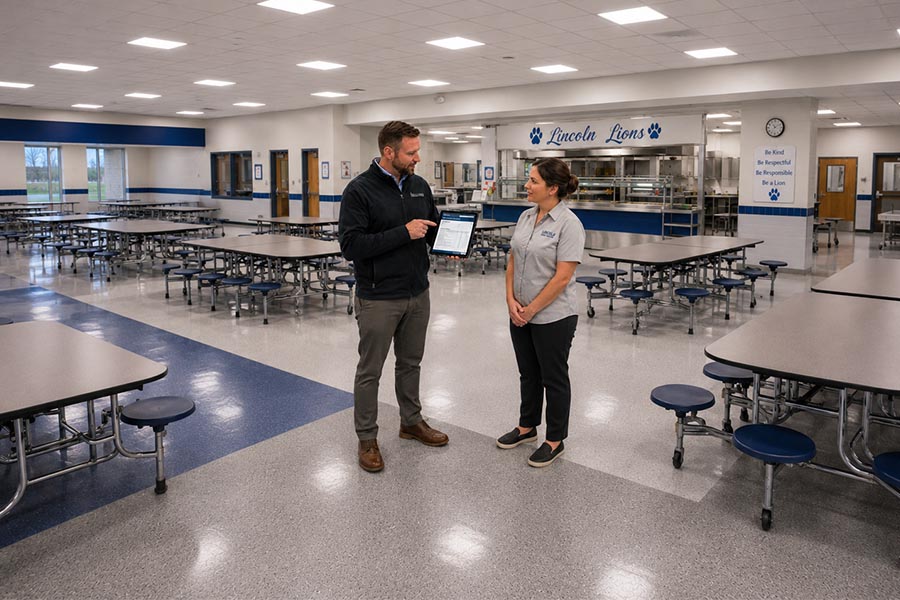
Hillyard’s Best Practice Evaluations, or BPEs, give facility managers a structured way to examine current cleaning processes and identify opportunities for improvement. A Hillyard Account Manager evaluates key areas of the cleaning program and develops a comprehensive report to share with facility management.
Best Practice Evaluations can address classroom cleaning, dilution control, entry matting, equipment planning, green cleaning, gymnasium floors, carpet care, hard-floor maintenance, locker and shower rooms, office cleaning, restroom cleaning, employee training, and overall facility performance. Specialized evaluations are also available for healthcare environments, including surface disinfection, infection prevention in long-term care facilities, and resident room cleaning.
The purpose is to review the complete cleaning operation rather than focus on one product or procedure. Labor, equipment, chemicals, consumables, maintenance practices, and cleaning frequencies can all affect total cost.
A more efficient cleaning program does not necessarily mean cleaning less. It means using people, products, and equipment more effectively to achieve the results your facility requires.
Hillyard representatives throughout the United States can help evaluate your cleaning processes, identify opportunities for improvement, and develop solutions that help you clean at the lowest total cost. Contact your local Hillyard representative to get started.